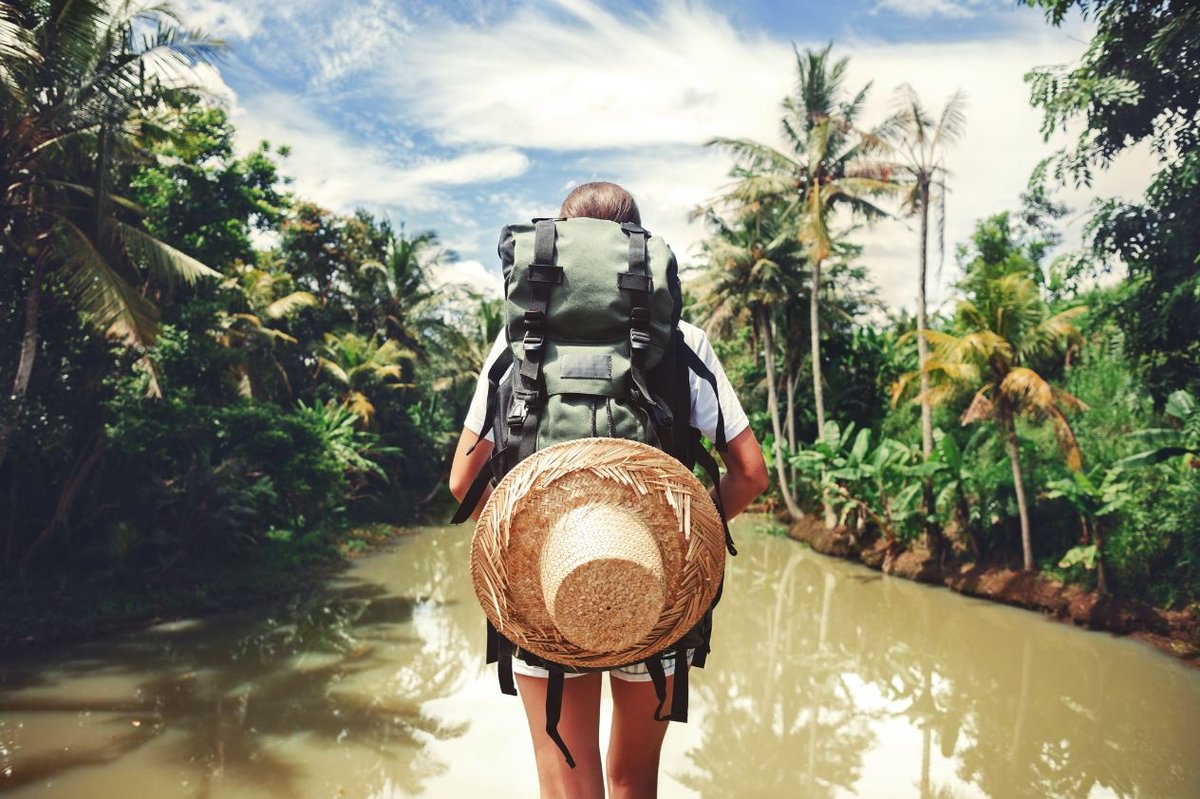
The rumble of jet engines, the scent of unfamiliar spices, the breathtaking vista from a mountaintop — these aren't just moments; they are the fabric of your Tourism & Travel Experience. It's the sum total of every choice, every interaction, and every sensory input you encounter when you step outside your daily routine to explore the world. More than just a trip, it's a profound journey of discovery, both outward to new lands and inward to new facets of yourself.
In 2025, tourism isn't merely a pastime; it's a multi-trillion-dollar global powerhouse, continually redefined by digital innovation, a deep commitment to sustainability, and an insatiable human desire for meaningful engagement. This isn't just about escaping; it's about evolving, connecting, and understanding.
At a Glance: Your Guide to the Tourism & Travel Experience
- Beyond the Vacation: Tourism is a vast industry covering leisure, business, culture, and more, driven by a global demand for unique experiences.
- The Modern Traveler: Today's explorers are informed, tech-savvy, and seek authentic, immersive connections with local cultures and environments.
- Experience Anatomy: Your journey involves careful planning, varied travel, comfortable stays, engaging activities, and valuable reflection.
- Global Impact: Tourism is a double-edged sword, fueling economic growth and cultural exchange while demanding responsible environmental stewardship.
- Future Forward: Expect more sustainable options, AI-powered planning, deeper "slow travel" immersions, and hyper-personalized itineraries.
- Your Role Matters: Being a responsible tourist is key to preserving destinations and enriching global understanding.
Beyond a Trip: What Defines the Tourism & Travel Experience?
When you pack your bags and venture forth, you're not just moving from one place to another; you're entering the intricate world of tourism. At its core, tourism is the activity of traveling to and staying in locations outside your everyday environment, whether for pleasure, business, or personal growth. This massive global activity encompasses everything from the airline that flies you, the hotel that houses you, the restaurant that feeds you, to the tour guide who shares local secrets. It's a vast ecosystem designed to facilitate your journey.
Today’s tourist isn't just a passive observer. You are more informed, leveraging technology for research and booking, and increasingly conscious of the impact your travels have. The desire for authentic, immersive experiences—connecting with local people, understanding their customs, and truly experiencing a place rather than just seeing it—drives much of modern travel. This shift underscores that the "Tourism & Travel Experience" isn't just about what you see, but how you see it and who you become in the process.
The Anatomy of Your Journey: Key Elements of a Tourist Experience
Every memorable journey, whether a weekend getaway or an epic sabbatical, breaks down into distinct phases, each contributing to your overall experience:
- Planning: This is where the dream begins. You're researching destinations, comparing accommodation options, scouring reviews, and perhaps using specialized travel apps. It's about envisioning your trip, setting a budget, and making all the logistical arrangements that transform an idea into a tangible plan.
- Travel: The journey itself, from the moment you leave your doorstep. This involves your chosen mode of transportation—be it a flight, train, bus, or car—and all the mini-experiences within it, from airport lounges to scenic road trips. The travel phase can be as much a part of the adventure as the destination itself.
- Stay: Your temporary home away from home. A comfortable, well-located accommodation is crucial. Whether it's a luxury resort, a cozy Airbnb, a boutique hotel, or a rustic campsite, your lodging significantly influences your comfort, convenience, and connection to the local environment.
- Activities: This is the heart of exploration. It's where you engage with your destination through local experiences like food tastings, guided sightseeing tours, cultural workshops, adrenaline-pumping adventures, or simply soaking in the atmosphere of a bustling market. These activities are what often define your lasting memories.
- Reflection: Often overlooked, this phase occurs after your return. It's when you process your experiences, share stories and photos with friends and family, and integrate the lessons learned into your broader worldview. Reflection solidifies the memories and often sparks the desire for future travels.
Why Your Experience Matters: The Global Impact of Tourism
Your choice to travel, and how you choose to do it, sends ripples across the globe. The "Tourism & Travel Experience" isn't merely personal enjoyment; it's a powerful force shaping economies, cultures, and environments worldwide.
A Multi-Trillion Dollar Engine: Economic Growth & Job Creation
In 2025, tourism is an undeniable economic giant. When you book a hotel, dine at a local restaurant, or hire a guide, you are directly contributing to local economies. This influx of capital translates into:
- Job Creation: Tourism supports millions of jobs globally, from hospitality staff and travel agents to artisans and infrastructure workers.
- Infrastructure Development: Demand from tourism often spurs investment in roads, airports, public transport, and utilities, benefiting both visitors and residents.
- Income Generation: It brings vital income to communities, particularly in developing nations, lifting people out of poverty and fostering local entrepreneurship.
Consider countries heavily reliant on tourism; their economic stability often hinges on visitor numbers and spending. For instance, the economic landscapes of places like the Dominican Republic vs. Suriname comparison highlight how significantly tourism can shape a nation's financial health and global standing.
Bridging Worlds: Cultural Exchange & Understanding
Travel is a powerful antidote to prejudice. When you immerse yourself in a new culture, you directly experience different ways of life, traditions, and perspectives. This exchange fosters:
- Mutual Respect: Direct interaction helps break down stereotypes, promoting understanding and empathy between diverse populations.
- Cultural Preservation: Tourist interest in local heritage, arts, and festivals can provide the financial incentive and appreciation needed to preserve these invaluable cultural assets.
- Global Relationships: Tourism can act as a form of "soft diplomacy," building bridges between nations and fostering international goodwill.
The Delicate Balance: Environmental Footprint & Over-Tourism
However, this immense power comes with significant responsibility. The very act of travel and the infrastructure it requires can exert considerable pressure on the environment and local communities:
- Harming Ecosystems: Increased visitor numbers can lead to pollution, degradation of natural habitats, strain on water resources, and damage to fragile ecosystems like coral reefs or ancient forests.
- Over-Tourism: Popular destinations can become overwhelmed, leading to overcrowded sites, increased cost of living for locals, and a loss of authenticity as local culture adapts to visitor demands rather than preserving its roots.
- Carbon Footprint: Air travel, in particular, contributes significantly to global carbon emissions, posing a challenge for sustainable development.
This duality underscores the critical importance of responsible travel. The quality of your "Tourism & Travel Experience" is increasingly tied to its sustainability.
Unpacking Your Journey: Diverse Types of Tourism Experiences
Just as every traveler is unique, so too are the reasons and ways we explore. The "Tourism & Travel Experience" isn't monolithic; it branches into diverse types, each catering to specific interests and motivations. Understanding these can help you better define your own travel style.
Leisure & Adventure: Seeking Thrills or Tranquility
- Leisure Tourism: This is often what comes to mind first—relaxation, rejuvenation, and escape. Think beach holidays, cruises, spa retreats, or simply unwinding in a new city without a rigid itinerary. The goal is rest and enjoyment.
- Adventure Tourism: For those craving adrenaline and exploration, adventure tourism offers activities like hiking challenging trails, white-water rafting, scuba diving, rock climbing, or exploring remote wilderness. It's about pushing boundaries and experiencing nature in an active way.
Culture & Heritage: A Deep Dive into Local Life
- Cultural Tourism: If you're drawn to understanding different societies, cultural tourism is for you. This involves visiting historical sites, museums, art galleries, attending local festivals, tasting traditional cuisine, and engaging with local customs and crafts. It's about immersion in a destination's soul.
- Heritage Tourism: A specific subset of cultural tourism, focusing on tangible and intangible heritage—think ancient ruins, historical battlefields, ancestral homes, or traditions passed down through generations.
Eco-Tourism & Sustainable Exploration: Traveling with Purpose
- Eco-Tourism: This type emphasizes responsible travel to natural areas, conserving the environment, and improving the well-being of local people. It's about low-impact travel, often involving educational experiences about local flora and fauna, and direct support for conservation efforts and local communities.
- Sustainable Travel: A broader philosophy that aims to minimize negative impacts and maximize positive ones across environmental, social, and economic dimensions. Eco-tourism is a form of sustainable travel, but sustainable principles apply to all types of tourism.
Niche Journeys: Medical, Business, and Beyond
- Medical Tourism: Traveling to another country for healthcare services, often driven by lower costs, specialized treatments, or shorter waiting times. This could range from elective cosmetic procedures to complex surgeries.
- Business Tourism (MICE): Travel undertaken for work-related purposes, including attending conferences, conventions, trade shows, corporate meetings (Meetings, Incentives, Conferences, Exhibitions - MICE), or client visits. This segment is a significant economic driver for many cities.
- Volunteer Tourism (Voluntourism): Combining travel with volunteering, contributing to local community projects or conservation efforts.
- Gastronomy Tourism: Centered around exploring food and drink culture, from cooking classes and market tours to vineyard visits and dining at Michelin-starred restaurants.
Each of these types of tourism attracts individuals with distinct interests, budgets, and, most importantly, different motivations for how they want their "Tourism & Travel Experience" to unfold.
The Future of Exploration: Trends Shaping Your Next Adventure (2025 and Beyond)
The world of travel is constantly evolving, driven by new technologies, changing traveler values, and global challenges. As you plan your future journeys, several key trends will define your "Tourism & Travel Experience."
Sustainable Journeys: The Green Shift
The urgency of climate change and environmental degradation has propelled sustainability to the forefront of travel decisions.
- Eco-Friendly Options: Expect more hotels powered by renewable energy, tours focused on conservation, and transportation options with lower carbon footprints. You'll find it easier to choose accommodations and operators with verified sustainability certifications.
- Carbon Offsetting: Many airlines and travel companies now offer options to offset the carbon emissions of your flight, allowing you to contribute to environmental projects.
- Local Focus: A greater emphasis on supporting local economies, using locally sourced products, and respecting indigenous cultures will become standard practice for responsible travel.
Tech-Enhanced Travel: From VR Previews to AI Concierges
Digital innovation continues to revolutionize every stage of the travel experience.
- AI Planning Tools: Imagine AI-powered tools that not only suggest itineraries but learn your preferences, optimizing routes, activities, and dining options in real-time.
- Virtual Reality (VR): VR will increasingly allow you to "try before you buy," exploring destinations, hotels, or even specific activities virtually before committing. This can enhance planning and build anticipation.
- Digital Payments & Seamless Transactions: Contactless payments, digital currencies, and integrated travel apps will make financial transactions smoother and more secure across borders.
- Smart Hotels: Rooms equipped with smart home technology, personalized climate control, and digital concierge services accessed via your phone or voice command will become more common.
Slow Travel: Deeper Connections, Richer Stories
Moving away from the "checklist tourism" of hitting multiple cities in a short span, slow travel emphasizes quality over quantity.
- Longer Stays: Travelers are opting for extended periods in a single location, allowing them to truly unpack, settle in, and experience daily life like a local.
- Immersive Experiences: This trend prioritizes deeper engagement with the culture, learning a local skill, participating in community events, or simply spending time observing rather than rushing from one attraction to the next.
- Reduced Stress: By slowing down, you minimize the rush and stress often associated with fast-paced travel, leading to a more relaxed and meaningful journey.
Hyper-Personalization: Your Trip, Your Way
The days of one-size-fits-all package tours are fading. The future is about experiences tailored precisely to your unique desires.
- Customized Itineraries: Travel platforms and agents will leverage data to offer highly customized itineraries based on your past travel, interests, budget, and even mood.
- Niche Experiences: Demand for highly specialized trips—like ancestral tours, photography expeditions, culinary quests, or wellness retreats—will grow, catering to very specific interests.
- Dynamic Packaging: The ability to combine flights, accommodations, and activities from various providers into a single, personalized package will become even more sophisticated and seamless.
These trends signify a future where your "Tourism & Travel Experience" is not just about where you go, but how consciously, intelligently, and personally you engage with the world.
Crafting Your Ideal Experience: A Traveler's Toolkit
The beauty of the "Tourism & Travel Experience" lies in its potential for personalization. By actively shaping each element, you can transform a good trip into an unforgettable journey.
Planning Smarter: Research, Reviews, and Apps
Your journey's success often starts long before you depart.
- Dive Deep into Research: Beyond glossy brochures, explore travel blogs, forums, and local tourism websites. Understand the local customs, weather patterns, and public transport options.
- Leverage Reviews Wisely: Online reviews (for hotels, restaurants, tours) are invaluable, but read them critically. Look for patterns, recent updates, and responses from businesses. A few negative reviews amidst many positive ones might not be a deal-breaker.
- Essential Travel Apps: Utilize apps for navigation (Google Maps, Citymapper), language translation (Google Translate), currency conversion, and local event listings. Many destinations also have official tourism apps.
Immersive Activities: Beyond the Postcard
To truly experience a place, venture beyond the major tourist traps.
- Seek Local Guides: A local guide can offer unparalleled insights, leading you to hidden gems, sharing personal stories, and providing context that guidebooks can't.
- Engage with Local Culture: Take a cooking class, learn a few phrases of the local language, attend a local market, or find out about community events. These interactions create authentic memories.
- Food as a Gateway: Don't just eat; explore the local culinary scene. Try street food, visit local eateries away from tourist areas, and learn about regional specialties. Food is a direct link to a culture's soul.
Choosing Accommodation: Comfort, Character, Community
Your lodging is more than just a place to sleep; it's part of your experience.
- Location is Key: Decide if you want to be in the bustling city center, a quiet neighborhood, or surrounded by nature. Factor in proximity to public transport and attractions.
- Beyond Hotels: Explore boutique hotels for character, guesthouses for a personal touch, eco-lodges for sustainability, or vacation rentals for a local living experience.
- Read Between the Lines: Pay attention to amenities, cancellation policies, and read recent reviews about cleanliness and customer service.
Navigating Transport: Getting There, Getting Around
Your mode of transport impacts your budget, comfort, and the overall pace of your trip.
- Consider Alternatives: For shorter distances, trains or buses can be more scenic, eco-friendly, and often less stressful than flying.
- Local Public Transport: Embrace local buses, subways, or trams. They're often efficient, cost-effective, and provide an authentic glimpse into daily life.
- Rental Cars: Offer freedom and flexibility, especially for exploring rural areas, but factor in parking, fuel costs, and local driving customs.
The Art of Reflection: Making Memories Last
The experience doesn't end when you return home.
- Document Your Journey: Keep a travel journal, take photos and videos, or collect small souvenirs. These artifacts become powerful triggers for memory.
- Share Your Stories: Reliving your experiences by sharing them with others helps solidify memories and can inspire future adventures.
- Integrate Lessons Learned: Reflect on what you discovered about yourself, new cultures, or the world. How has this journey changed your perspective?
Becoming a Responsible Tourist: Protecting What You Love
The pursuit of a fulfilling "Tourism & Travel Experience" goes hand-in-hand with the commitment to responsible tourism. As a guest in someone else's home (the world), your actions have consequences. By making conscious choices, you can ensure that the destinations you love remain vibrant for future generations.
Respecting Local Culture: Etiquette and Empathy
- Learn Basic Phrases: A simple "hello," "please," and "thank you" in the local language goes a long way in showing respect.
- Dress Appropriately: Especially when visiting religious sites or conservative areas, adhere to local dress codes.
- Observe Customs: Pay attention to local etiquette regarding greetings, dining, photography, and personal space. When in doubt, politely ask or observe what locals do.
- Ask Before You Photograph: Especially when photographing people, always seek permission.
Supporting Local Economies: Vote with Your Wallet
- Eat Local: Patronize family-run restaurants, street food vendors, and local markets. This ensures your money directly benefits the community.
- Buy Local Crafts: Instead of mass-produced souvenirs, seek out items made by local artisans. This supports traditional skills and provides unique keepsakes.
- Use Local Services: Hire local guides, use local tour operators, and stay in locally owned accommodations where possible. This keeps profits within the community.
Minimizing Your Footprint: Waste Less, Explore More
- Limit Single-Use Plastics: Carry a reusable water bottle, coffee cup, and shopping bag. Refuse plastic straws.
- Reduce Waste: Dispose of your trash properly, recycle when possible, and avoid leaving any litter behind, especially in natural areas.
- Conserve Resources: Be mindful of your water and electricity consumption in your accommodation, just as you would at home.
- Choose Eco-Friendly Transport: Opt for public transport, walking, or cycling whenever feasible. For longer distances, consider trains over planes if time permits.
Off-Peak Advantages: Spreading the Love (and Lessening the Impact)
- Travel During Shoulder Seasons: Visiting during the spring or autumn (in many destinations) offers pleasant weather, fewer crowds, and often better prices, while still supporting local businesses.
- Explore Lesser-Known Areas: If a major attraction is overcrowded, consider venturing to nearby, less-frequented towns or natural sites. This helps distribute tourist traffic and provides unique experiences.
Leaving No Trace: Preserving Beauty for Tomorrow
- Stick to Designated Paths: Especially in natural parks or historical sites, stay on marked trails to protect fragile ecosystems and archaeological integrity.
- Do Not Touch or Take Artifacts: Leave natural and cultural sites exactly as you found them. Taking rocks, shells, or historical fragments disrupts the environment and cultural heritage.
- Respect Wildlife: Observe animals from a distance, never feed them, and avoid disturbing their natural habitats.
By embracing these responsible behaviors, you elevate your "Tourism & Travel Experience" from a mere leisure activity to an act of global citizenship, ensuring that the magic of travel endures.
Common Traveler Questions & Misconceptions
Travel often sparks questions and comes with its own set of myths. Let's clear up some common ones to help you navigate your experiences with confidence.
"Is 'tourist' a bad word?"
Not at all. The term "tourist" simply defines someone traveling temporarily outside their usual environment. However, the behavior associated with some tourists—disrespecting local customs, contributing to over-tourism, or being insensitive—can be negative. Being a "traveler" often implies a deeper, more responsible engagement, but ultimately, the label matters less than your actions. Be a respectful, informed, and engaged visitor, and you’ll be welcomed.
"Can I really make a difference as one person?"
Absolutely. Individual choices, multiplied by millions of travelers, create monumental impact. Choosing a locally owned guesthouse, buying handmade souvenirs, minimizing your plastic waste, or simply engaging respectfully with a local vendor collectively contributes to a more sustainable and equitable tourism industry. Every responsible choice you make reinforces positive practices.
"Is sustainable travel always more expensive?"
Not necessarily. While some eco-lodges or certified sustainable tours might come with a premium, many sustainable practices can actually save you money. Using public transport, eating at local eateries, refilling a reusable water bottle, and choosing off-peak travel can often be more budget-friendly than traditional, high-impact tourism. The core of sustainable travel is mindful consumption, which isn't inherently expensive.
Your Next Chapter of Exploration: A Call to Thoughtful Travel
The "Tourism & Travel Experience" is one of humanity's most cherished pursuits, offering unparalleled opportunities for personal growth, cultural discovery, and global connection. It's a privilege, a pleasure, and a profound responsibility.
As you look towards your next journey, remember that you are more than just a visitor; you are an ambassador, an explorer, and a participant in a global dialogue. Armed with information, powered by respect, and guided by a desire for genuine connection, your travels can leave a positive mark on both the destinations you visit and on your own evolving self.
So, go forth and explore. Seek out the authentic, embrace the unexpected, and always journey with intention. The world awaits your thoughtful engagement.