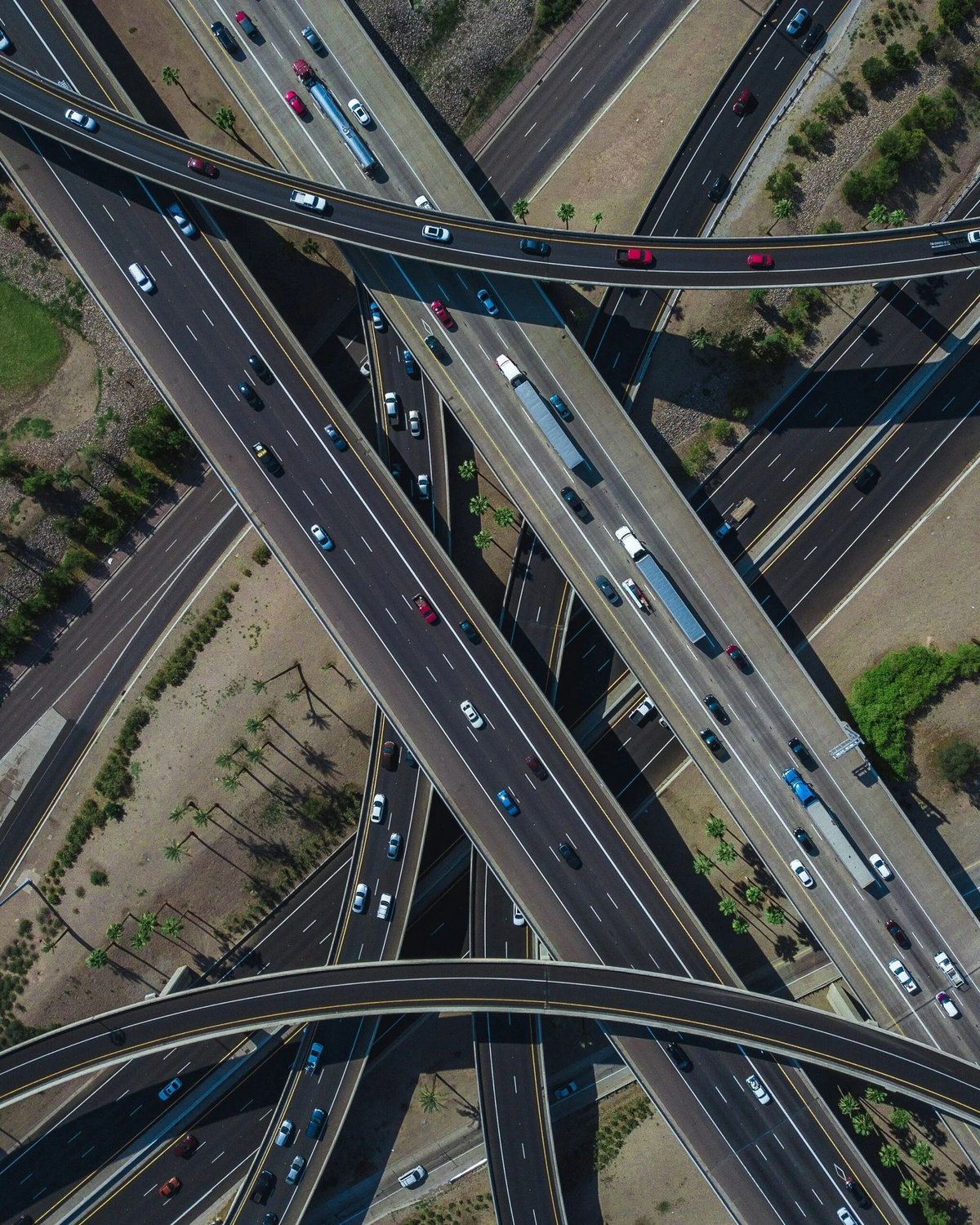
From the water you drink and the roads you travel to the internet connecting you to the world and the schools shaping future generations, the invisible yet indispensable backbone of modern existence is "Society & Infrastructure." It’s a complex, interconnected web of systems that, when working well, fades into the background, seamlessly supporting our collective well-being, economic vitality, and daily routines. But when it falters, its critical role becomes starkly clear, revealing the profound impact it has on everything we do and aspire to be.
At a Glance: What You’ll Discover About Society & Infrastructure
- More Than Just Roads and Pipes: Societal infrastructure extends far beyond physical structures, encompassing digital networks and crucial social systems like healthcare and education.
- The Unseen Engine: It's the fundamental enabler of economic growth, public health, social equity, and a higher quality of life.
- An Interconnected World: Challenges in one area (e.g., climate change) directly impact multiple infrastructure types.
- A Global Imperative: Nations worldwide face similar, yet unique, infrastructure demands, often shaping their development trajectories.
- Your Role Matters: Understanding these systems is the first step toward advocating for and contributing to resilient, equitable, and future-ready societies.
Defining the Invisible Foundations of Our World
When we talk about infrastructure, our minds often jump to grand bridges or bustling highways. And while those are certainly part of it, the concept is far broader and more fundamental. At its heart, infrastructure refers to built networks that facilitate the flow and exchange of goods, people, or ideas over space. Think of it as the nervous system of society, connecting and often defining the boundaries between public and private realms. It’s one of the primary ways we experience our government—through the services it enables and the public spaces it creates.
Expanding on this, societal infrastructure encompasses the fundamental systems and structures, both tangible and intangible, that enable a society to function and thrive. It supports collective well-being and economic activity, providing the necessary conditions for productive social and economic engagement. Without it, our communities would grind to a halt.
Three Pillars of Societal Infrastructure
To truly grasp its scope, it’s helpful to categorize societal infrastructure into three interconnected pillars:
1. The Concrete & Connected: Physical Infrastructure
This is what most people picture: the tangible elements that form the circulatory system of our world.
- Transportation Networks: Roads that connect our homes to our workplaces, bridges spanning rivers and valleys, intricate railway systems moving goods and commuters, and airports linking us globally. These networks aren't just about movement; they're about access to opportunities, markets, and experiences. Consider the architectural history of railways and highway networks in countries like Turkey, Russia, and the US, which directly traces the paths of industrialization and urbanization over centuries.
- Essential Utilities: Clean water supply systems that flow into our taps, vast electricity grids powering our homes and industries, and sanitation networks that safely manage waste. These are the life support systems of any community, directly impacting public health and environmental quality. Tours of facilities like the East Bay Municipal Utility District (EBMUD) water treatment and wastewater treatment plants vividly demonstrate the immense scale and complexity of managing these critical flows.
- Telecommunications & Broadband: While increasingly digital, the physical fiber optic cables, cell towers, and data lines that constitute the backbone of our communication networks are undeniably physical. They are the arteries of information.
2. The Digital Lifelines: Digital Infrastructure
In the 21st century, a new, increasingly vital layer has emerged. This category comprises technology-reliant components that underpin our modern, interconnected lives.
- The Internet Backbone: The global network of high-speed data transmission lines, data centers, and exchange points that allow information to traverse continents in milliseconds. Without this physical and virtual infrastructure, our digital world ceases to exist.
- Data Centers: The physical homes for the vast amounts of data we generate and consume daily, requiring immense power, cooling, and security. They are the silent engines of the cloud.
- Cybersecurity Frameworks: The protocols, technologies, and human expertise that protect our digital assets from threats. As we become more reliant on digital systems, robust cybersecurity is not merely a convenience but a matter of national security and economic stability.
- Digital Public Services: The online portals, apps, and platforms governments use to deliver services, from applying for permits to accessing health records. These streamline interactions and enhance accessibility for citizens.
3. The Human Fabric: Social and Human Infrastructure
Perhaps the least tangible but most profoundly impactful category, this infrastructure directly supports individual and collective well-being.
- Healthcare Systems: Hospitals, clinics, emergency services, public health initiatives, and the trained professionals who staff them. These systems are foundational for a healthy populace, capable of contributing to society.
- Educational Institutions: Schools, universities, vocational training centers, and research facilities. These are the crucibles where knowledge is created, disseminated, and applied, shaping the human capital that drives innovation and progress. The very design of educational spaces, from 16th-century European academies to modern American universities, has profoundly influenced learning processes and social interaction.
- Social Support Systems: Community centers, public safety services (police, fire departments), parks, libraries, and social welfare programs. These elements build community cohesion, offer safety nets, and enrich civic life.
Why Societal Infrastructure Isn't Just Important – It's Everything
A robust, well-maintained, and thoughtfully planned societal infrastructure isn't just "nice to have"; it's a fundamental prerequisite for any society to thrive.
Fueling Economic Growth and Opportunity
Imagine trying to run a business without reliable electricity, or transport goods to market without navigable roads. Strong infrastructure facilitates commerce, boosts productivity, and creates employment. It connects producers to consumers, allows workers to access jobs, and enables the efficient flow of information vital for modern economies. When looking at economic development, a comparison between nations like the Dominican Republic and Suriname often reveals how strategic infrastructure investments can profoundly impact a country's economic trajectory and competitive advantage in the global market.
Safeguarding Public Health and Safety
Access to clean water, effective sanitation, and reliable emergency services isn't a luxury; it's a basic human right enabled by infrastructure. These systems protect populations from disease, respond to crises, and ensure a minimum standard of living. Without them, communities are vulnerable to epidemics, natural disasters, and a general decline in quality of life.
Fostering Social Equity and Quality of Life
Infrastructure can be a powerful tool for social justice. By providing equitable access to education, healthcare, public transport, and digital services, it can reduce disparities and enhance opportunities for all citizens. It improves the overall quality of life by making cities more livable, rural areas more connected, and basic necessities more accessible. When thoughtfully designed, public spaces and amenities foster community engagement and a sense of belonging.
Building Resilience and Adapting to the Future
Societies constantly face challenges, from natural disasters to rapid technological shifts. Well-designed infrastructure helps communities withstand shocks, adapt to changing conditions, and recover more quickly. Whether it's reinforcing coastlines against rising seas or building smart grids that can redistribute power during outages, resilience is built into the fabric of our foundational systems.
Consider, for instance, California’s water sector responses to climate change. Faced with increased precipitation variability – from severe droughts to atmospheric rivers – the state must adapt its water infrastructure to both capture and manage water more effectively, showcasing proactive resilience building.
Navigating the Challenges and Opportunities
While the benefits are clear, maintaining and evolving societal infrastructure presents complex challenges.
The Urbanization Imperative
In 2023, 58% of the global population lived in cities, a figure projected to rise to 68% by 2050. This rapid urbanization places immense pressure on existing infrastructure. Cities become hotbeds of both challenge and opportunity. Rethinking urban infrastructure for a low-carbon future is paramount, as urban systems are both drivers and potential solutions for climate challenges like heat, flooding, and pollution. Smart urban planning, efficient public transport, green building codes, and integrated waste management become crucial.
Climate Change: A Defining Challenge
Climate change isn't just an environmental issue; it's an infrastructure crisis. Extreme weather events damage roads, flood utility systems, and strain energy grids. Adapting infrastructure to these new realities requires significant investment and innovative thinking. This includes developing inclusive approaches to climate-resilient development, as seen in examples from Bangladesh, where communities are integrating traditional knowledge with modern engineering to protect against flooding and cyclones.
Funding and Investment Gaps
Infrastructure projects are often massive, long-term undertakings requiring substantial capital. Many nations face significant funding gaps, leading to deferred maintenance, aging systems, and a struggle to build new, future-ready infrastructure. Innovative financing models, public-private partnerships, and strategic governmental investment are crucial for addressing these shortfalls.
The Digital Divide
Despite the pervasive nature of the internet, a significant portion of the global population still lacks access to reliable, affordable digital infrastructure. This "digital divide" exacerbates existing inequalities, limiting access to education, economic opportunities, and vital public services. Bridging this gap is an equity issue as much as a technological one, demanding investment in broadband expansion and digital literacy programs.
The Human Element: Planning and Vision
Beyond the concrete and code, infrastructure development is profoundly human. It requires meticulous planning, visionary leadership, and community engagement. Understanding the historical context—from ancient Iranian water management systems that sustained civilizations for millennia to the strategic placement of early railroads—offers invaluable lessons in long-term planning and resourcefulness. It also highlights the importance of making infrastructure "visible," helping citizens understand the complex systems that underpin their lives.
Building for Tomorrow: Our Collective Responsibility
Societal infrastructure is not static; it's a living system that requires constant attention, adaptation, and investment. It's a reflection of our priorities, our values, and our vision for the future.
As citizens, understanding the intricate web of systems that support us is the first step toward informed engagement. It empowers us to ask critical questions: Is our water supply secure? Is our digital infrastructure resilient against cyber threats? Are our educational institutions adequately preparing the next generation? Are our cities truly livable and sustainable for the long term?
From advocating for sustainable urban development to supporting investment in green energy grids and equitable digital access, our collective actions shape the infrastructure that will define societies for decades to come. The future of our daily lives, our economies, and our planet hinges on how we conceive, build, and maintain these fundamental foundations. It's a responsibility we all share.